
Sirolimus / Zinc
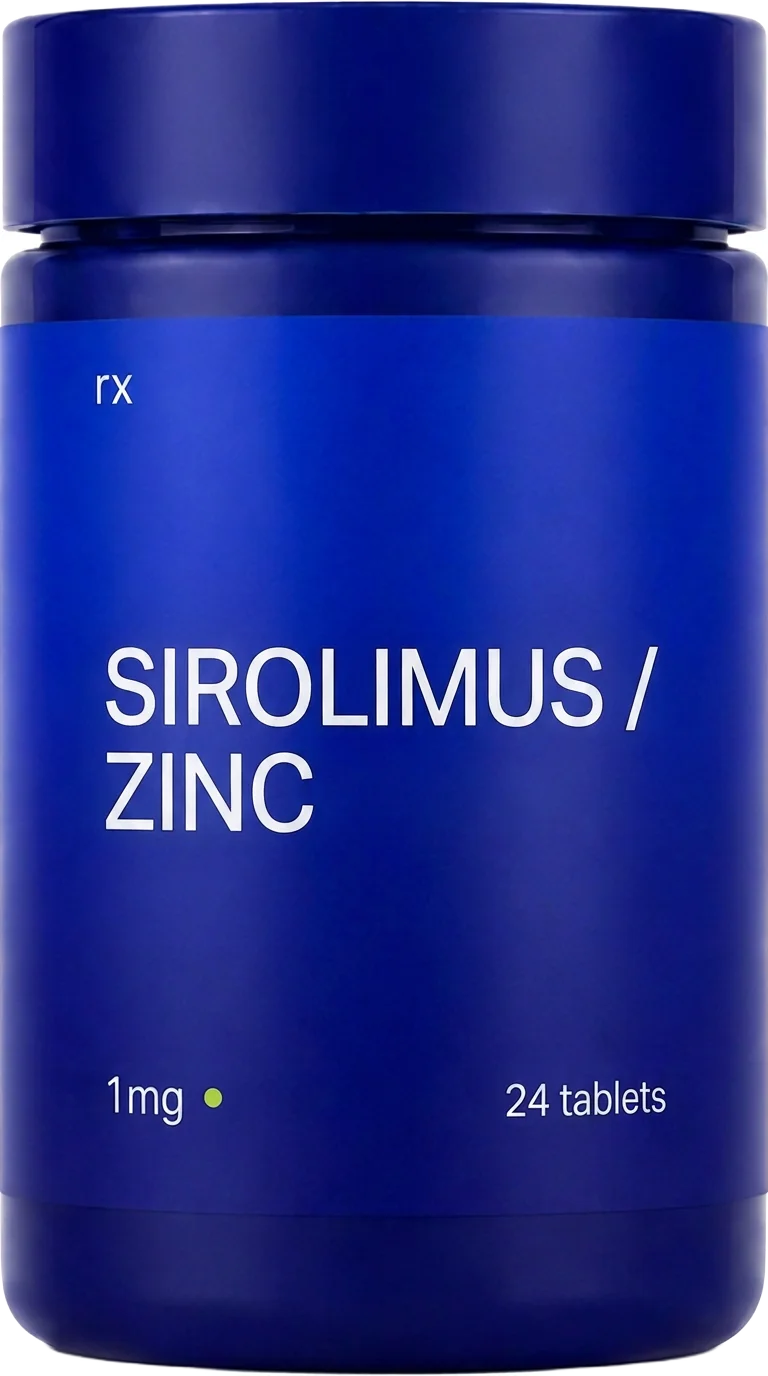
reviewed
shipping
US pharmacy
Longevity & Cognition
Healthy cells know when to grow — and when to maintain.
Sirolimus acts on mTOR, one of the body's central nutrient-sensing pathways involved in cellular growth, metabolism and recycling.
In low, intermittent dosing, sirolimus is being studied for its ability to modulate this pathway and what that may mean for healthy aging.
Compounded with zinc, a mineral involved in immune function and cellular repair, as a research-informed approach for people thinking about longevity at the cellular level.
Availability
Coming soon
This treatment is not yet available to order online. Speak with a clinician to find out whether it is appropriate for you.
Directions
Take 1 capsule by mouth once per week on the same day each week.
Prescription products require review by a licensed physician. After checkout you'll receive member portal access to complete your medical intake form. A physician reviews it and, if you qualify, your medication is dispensed. Dosing is determined by your provider during review.
At a glance
Weekly
Intermittent dosing
mTOR
Targets a major nutrient-sensing pathway
Long-view
Rooted in aging biology
Clinician guided
Labs + response monitored over time

69 biomarkers. $79. On purpose.
We don't believe meaningful insight into your health should feel out of reach. Essentials gives you a broad baseline across key areas of your biology for $79.
Not as a promotion. As a principle.
Longevity doesn't come with one score.
There isn't a blood test that tells you whether your mTOR pathway is “optimized.”
With sirolimus, labs serve a different and important purpose: helping your provider understand your baseline health and monitor how your body is tolerating treatment over time.
Explore LabsCBC
Monitors white blood cells, red blood cells and platelets, which can be affected by sirolimus.
Lipid Panel + ApoB
Sirolimus can affect cholesterol and triglycerides, making lipid monitoring particularly important.
Glucose + Hemoglobin A1c
Provides insight into glucose regulation and metabolic health during treatment.
Kidney + Liver Function
Creatinine, liver enzymes and other metabolic markers help provide an ongoing safety picture.
Urinalysis / Urine Protein
May be considered because sirolimus can affect kidney-related markers, including urinary protein.
Additional Monitoring
Your provider may recommend additional testing based on dose, medications, health history and individual response.
More in Longevity & Cognition.

Longevity & Cognition
NAD+ Injectable
Cellular coenzyme delivered by injection to support mitochondrial function, daily energy and longevity pathways.
View
Longevity & Cognition
NAD+ Nasal Spray
Needle-free intranasal NAD+ for daily support of cellular energy, mental clarity and cognitive performance.
View
Longevity & Cognition
Glutathione Injectable
Master antioxidant delivered by injection to support detoxification pathways, immune function and skin clarity.
View