
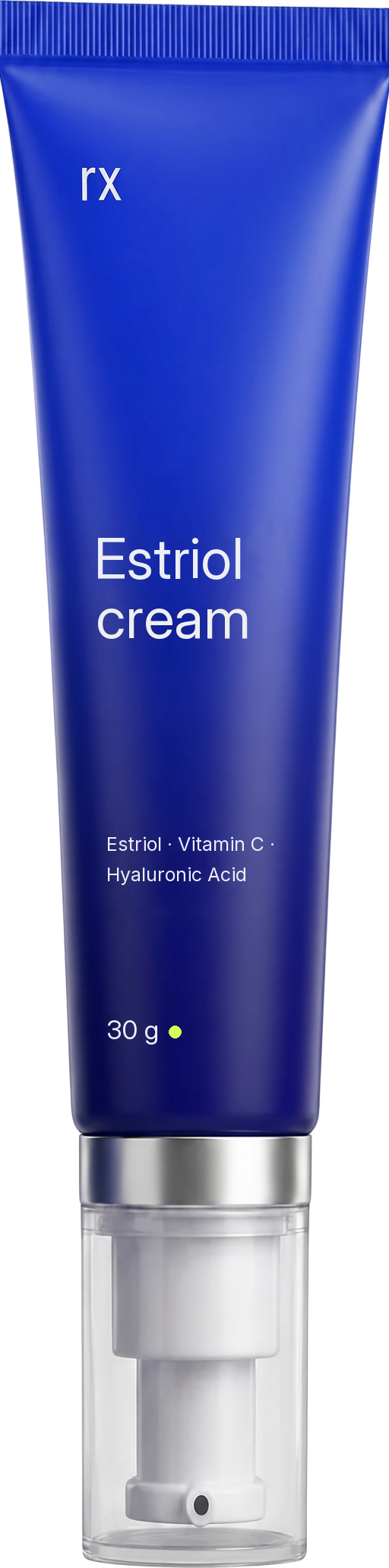
Estriol + Vitamin C + Hyaluronic Acid Cream
Topical cream · 30 g
reviewed
shipping
US pharmacy
Healing & Repair
Skin changes when hormones do.
Drier. Thinner. Less resilient. Suddenly, the skincare routine that always worked doesn't seem to do quite as much.
As estrogen patterns shift through perimenopause and menopause, changes in collagen, elasticity and hydration can become more noticeable.
Estriol + Vitamin C + Hyaluronic Acid Cream is a compounded prescription topical that combines a form of estrogen with antioxidant and hydrating ingredients to support skin affected by hormonal change.
A more targeted approach to skin quality, guided by a licensed clinician.
Availability
Coming soon
This treatment is not yet available to order online. Speak with a clinician to find out whether it is appropriate for you.
Prescription products require review by a licensed physician. After checkout you'll receive member portal access to complete your medical intake form. A physician reviews it and, if you qualify, your medication is dispensed. Dosing is determined by your provider during review.
At a glance
Topical
Applied directly to the skin as prescribed
Prescription
Contains clinician-prescribed estriol
Three-part formula
Hormonal + antioxidant + hydration support
Hormone-aware skincare
Designed with midlife skin changes in mind
Clinician guided
Selected around your history + current care

Your skin may be telling part of a bigger story.
Skin changes can happen for many reasons. But during midlife, hormones are often part of the conversation.
Your provider considers your age, symptoms, menstrual history, current hormone therapy, medical history and existing skincare routine before determining whether an estriol-containing topical treatment is appropriate.
Labs aren't necessarily required to use this treatment.
When changes in skin are happening alongside other symptoms of perimenopause or menopause, however, bloodwork can provide a broader view of what is happening across your hormones and overall health.
Core Women's Health Panel
Put the hormone picture in context.
If you want to understand more than what is happening at the surface, ANUWELL's Core Women's Health Panel provides a broader look across sex hormones, thyroid, metabolic and cardiovascular health, inflammation and key nutrients.
Your clinician may recommend testing when skin changes are occurring alongside symptoms such as cycle changes, changes in sleep or energy, hot flashes, hair changes, shifts in libido or other signs of the menopause transition.
If you're already receiving hormone therapy, more focused follow-up testing may be appropriate instead.
Testing is individualized. Your clinician determines which biomarkers are relevant based on your age, symptoms, menstrual status, current medications and other hormone therapies.
Explore LabsRelevant biomarkers may include:
Estradiol
The primary circulating estrogen commonly evaluated when looking at estrogen status outside of pregnancy.
FSH + LH
Pituitary hormones involved in ovarian signaling that can provide additional context around reproductive stage and hormonal change.
Progesterone
Can add context for cycling women and for women already using progesterone as part of hormone therapy.
Total + Free Testosterone
Androgen levels can change through midlife and are interpreted alongside symptoms, age and other hormone markers.
SHBG
A binding protein that influences the amount of estrogen and testosterone available to tissues.
DHEA-S
An adrenal androgen that can contribute additional context to the broader hormone picture.
TSH + Free T4 / Free T3
Thyroid function can overlap with concerns involving skin, hair, energy, temperature regulation and overall wellbeing.
Iron + Ferritin
Iron status may be relevant when skin changes occur alongside fatigue, hair shedding or other symptoms.
Vitamin D
Adds context around nutritional status, bone health and overall midlife health.
Your provider may also consider
Your Hormone History
Where you are in the menopause transition matters. Cycle changes, menopausal symptoms and previous or current hormone therapy help create the clinical context for treatment.
Current Hormone Therapy
Estradiol patches, oral hormones, pellets, vaginal estrogen, progesterone, testosterone and other hormone treatments should be disclosed so your provider can consider your overall hormone exposure.
Breast + Gynecologic History
Tell your provider about a personal history of breast, endometrial or other hormone-sensitive cancers, unexplained vaginal bleeding or other significant breast or gynecologic concerns.
Cardiovascular + Clotting History
A history of blood clots, stroke, cardiovascular disease or related risk factors should be discussed before using an estrogen-containing prescription.
Pregnancy + Breastfeeding
Tell your provider if you are pregnant, trying to become pregnant or breastfeeding. Estriol-containing treatment is not intended for use during pregnancy.
Your Current Skin Routine
Prescription retinoids, exfoliating acids and other active skincare products may affect tolerability. Your clinician can help determine how this treatment fits into your existing routine.
The Bigger Picture
If changes in your skin are happening alongside hot flashes, sleep disruption, cycle changes, vaginal symptoms, libido changes or other concerns associated with the menopause transition, your provider may recommend looking beyond skincare alone.
Safety + prescription disclosure
Estriol + Vitamin C + Hyaluronic Acid Cream is a compounded prescription medication. Estriol is a form of estrogen. There are currently no FDA-approved drug products containing estriol in the United States. Compounded medications are not reviewed or approved by the FDA for safety, effectiveness or quality before they are marketed.
Use of topical estriol for facial or age-related skin changes is off-label. Research evaluating topical estrogen for menopausal skin changes has reported potential effects on measures including collagen, skin thickness, elasticity and hydration, but the available studies are limited and long-term safety for this use has not been established.
Topically applied estrogen may be absorbed systemically. The degree of absorption can vary based on formulation, dose, application area and individual factors. This treatment should not be represented as having no systemic exposure or as being inherently safer than other forms of estrogen.
Tell your provider about any personal history of hormone-sensitive cancer, unexplained vaginal bleeding, blood clots, stroke, cardiovascular disease, liver disease and all prescription medications, over-the-counter medications, supplements and hormone therapies you use.
Potential reactions to topical treatment may include redness, irritation, itching or other changes at the application site. Estrogen-related effects may also occur. Contact your healthcare provider if you experience unusual vaginal bleeding, new breast symptoms or other concerning changes while using treatment.
Do not use during pregnancy. Tell your provider if you are pregnant, planning pregnancy or breastfeeding.
Use only as prescribed. Application amount, frequency and treatment duration should follow the directions provided by your clinician and dispensing pharmacy.
Treatment is prescribed only when clinically appropriate based on evaluation and the independent judgment of a licensed healthcare provider. ANUWELL does not manufacture or dispense medications.
More in Healing & Repair.
Healing & Repair
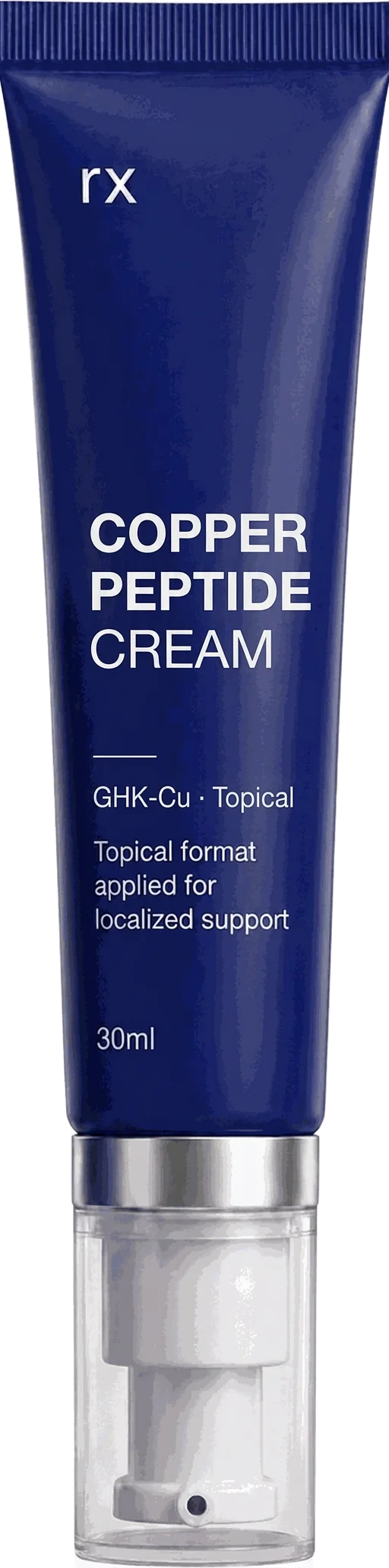
Copper Peptide Cream
Topical copper peptide (GHK-Cu) cream supporting skin renewal, collagen, firmness and texture over time.
View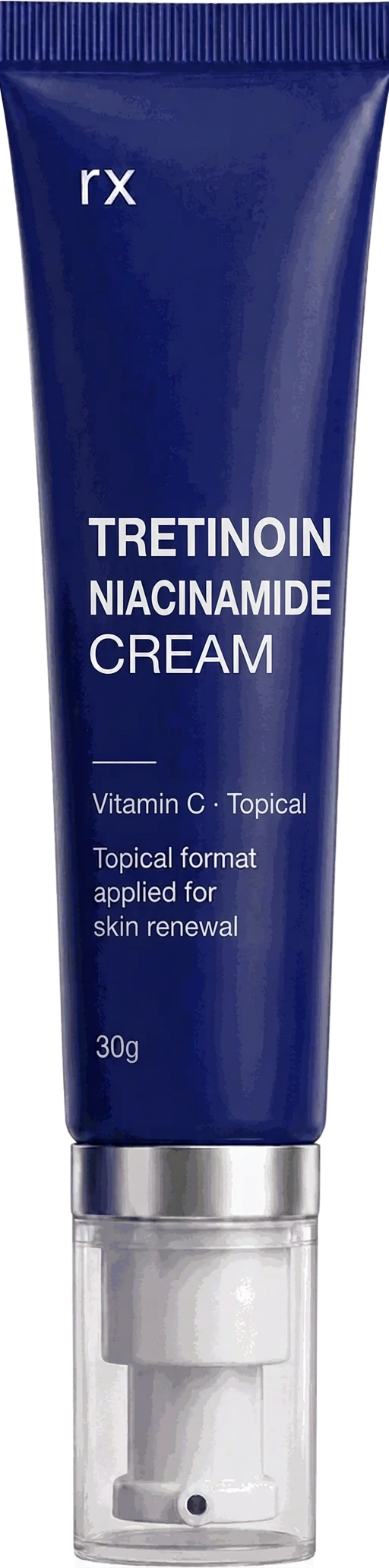
Healing & Repair
Tretinoin / Niacinamide / Vitamin C Cream
Compounded topical combining tretinoin, niacinamide and vitamin C for skin texture, tone and renewal.
View