

ANUWELL · THE PROTOCOL · THE FILES
A supplement that extended lifespan in mice. A protocol that lowered someone's biological age by eight years. A drug that keeps showing up on podcasts. A cold plunge routine. Strength training twice a week.
These arrive with roughly equal confidence, in similar language, often from people who sound equally credible. Sorting them takes one question, and it is not whether there is evidence. There is almost always evidence. The question is what kind.
Every longevity claim rests on one of four kinds of evidence.
They are not close to equal, and the gap between them is where most of the confusion lives.
- 4
- kinds of evidence, in ascending order
- 5x
- mortality risk, low versus elite fitness [1]
- 0
- interventions proven to extend human lifespan
THE FOUR RUNGS
What kind of evidence is this?
Each rung is meaningfully harder to reach than the one below it, and each one answers a more useful question.
| RUNG | WHAT IT MEANS | WHAT IT DOES NOT MEAN |
|---|---|---|
| 1. It worked in cells or animals | The mechanism is plausible and something measurable happened in a lab or in mice. | That it works in people. Most compounds that succeed here never replicate in humans. |
| 2. It moves a marker in humans | A trial in people showed a change in something measurable: a blood level, an inflammatory marker, a biological age score. | That the change improves your health. A marker moving is a hypothesis, not an outcome. |
| 3. It changes health outcomes in humans | A trial or large body of research shows fewer heart attacks, less disease, fewer deaths, better function. | That it will do the same for you specifically, or outside the population studied. |
| 4. It extends human lifespan in a randomized trial | The strongest possible evidence for a longevity claim. | Nothing yet occupies this rung. |
That last row is worth sitting with. No intervention has been shown in a randomized controlled trial to extend human lifespan. Not a supplement, not a drug, not a protocol. The trials required would take decades and cost more than anyone has been willing to spend, so the top rung is empty and will likely stay empty for a long time.
This is not a reason for cynicism. It is a reason to be precise. Rung three is genuinely excellent evidence, and a good deal sits there.
APPLYING IT
Where today's conversation actually sits
A snapshot rather than a verdict. Several of these are moving quickly, and some will climb.
| INTERVENTION | RUNG | THE HONEST SUMMARY |
|---|---|---|
| Cardiorespiratory fitness | 3 | In 122,007 adults given treadmill testing, low fitness carried about five times the mortality risk of elite fitness, an association comparable to or greater than smoking, diabetes, or coronary artery disease. No upper limit of benefit was observed. 1 |
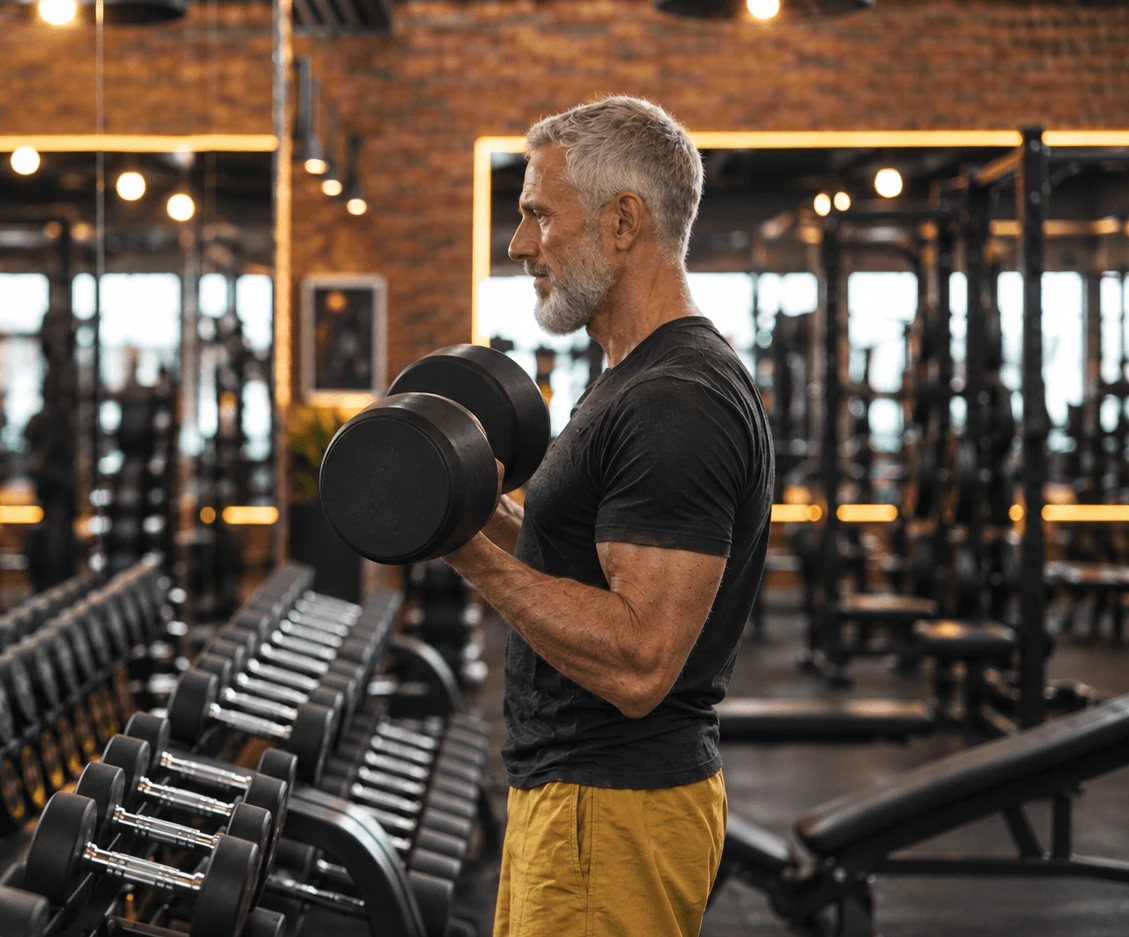
| Strength training | 3 | Consistently associated with lower all-cause mortality and with the muscle, bone, and function that determine independence later. |
| Blood pressure and lipid management | 3 | Decades of outcome trials. Unglamorous, and among the best-supported medicine there is. |
| Social connection | 3 | Across 148 studies and 308,849 people, stronger social relationships were associated with 50% greater odds of survival, an effect the authors compared with well-established mortality risk factors. 2 |
| Sleep | 3 | Strong and consistent links to metabolic, cardiovascular, and cognitive outcomes. |
| GLP-1 medications | 3, in a defined population | In 17,604 adults with existing cardiovascular disease and overweight or obesity but not diabetes, semaglutide reduced major cardiovascular events by 20% against placebo. 3 That is an outcome result in that population, not a general longevity finding. |
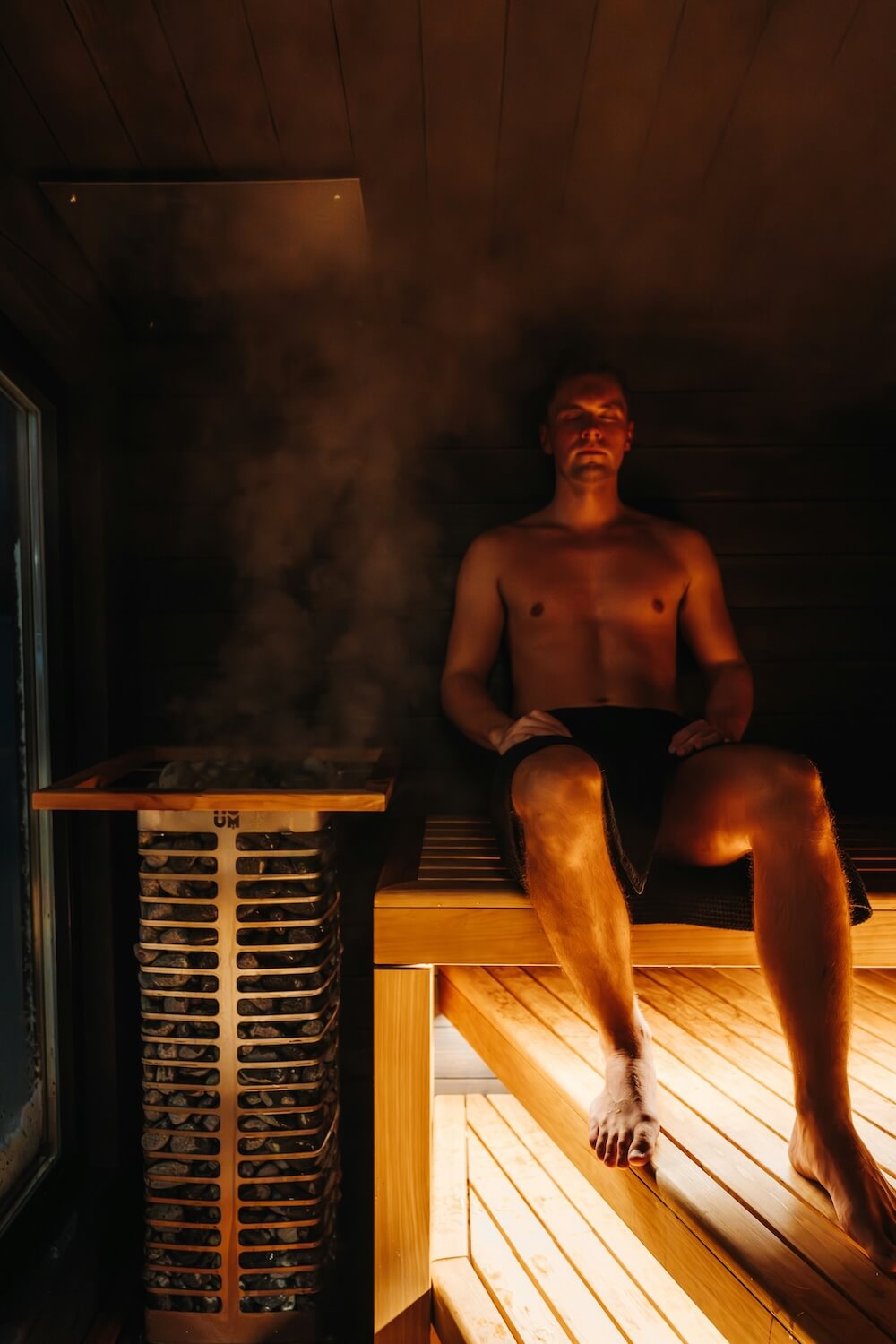
| Sauna and heat exposure | 2 to 3 | Encouraging observational associations with cardiovascular outcomes. Not yet confirmed by randomized outcome trials. |
| NAD precursors | 1 to 2 | Reliable animal data and human trials showing raised NAD levels. Whether that translates into better health outcomes remains unanswered. |
| Rapamycin and metformin | 1 to 2 | The most-discussed molecules in the field, with strong animal data and early human trials on markers and immune measures. Human outcome trials are ongoing or delayed. |
| Epigenetic age tests | 2 | Validated well enough to predict outcomes across populations. Different tests still disagree on the same person, and no trial shows that lowering the score changes what happens to you. |
| Cold exposure | 1 to 2 | Plausible mechanisms and enthusiastic followings. Human outcome evidence is thin. |
| Most longevity supplements | 1 | Mechanism, mouse data, and marketing. Very few have climbed higher. |
WHAT THE LADDER IMPLIES
Spend attention in proportion to evidence
Read the table again and a pattern appears. Everything on rung three is either free or medical, and almost nothing on rung three is for sale as a longevity product. The things being marketed hardest cluster on rungs one and two.
That is not an accusation. Rung one and two interventions are where the interesting science is, and someone has to fund it. It does explain why the loudest parts of the conversation and the best-supported parts of it are not the same parts.
The best-evidenced longevity practices are unglamorous, mostly free,
and almost never the subject of the article you were reading before this one.
A practical ordering follows from that:
- Build cardiorespiratory fitness. The single largest effect in the table, with no observed ceiling. Most of the benefit comes from moving from low fitness to moderate, which is the most achievable jump there is.
- Train for strength. Muscle and bone are what determine whether you keep your independence in your last decades. Our guide Strength Is a Longevity Strategy covers the program.
- Know and manage your cardiovascular numbers. Blood pressure, ApoB, and Lp(a) once in adulthood. Boring, decisively evidenced, and frequently skipped by people taking three supplements a day.
- Protect sleep. It influences nearly every other item on this list, and short sleep undermines the rest of your effort.
- Treat relationships as health infrastructure. The effect size sits alongside the physical interventions, which is not how most people rank it.
- Address metabolic health with real support where needed. For some people this is diet and training. For others it involves clinical care, which is an outcome-evidenced path in the right population rather than an optimization choice.
A FAIR HEARING
This is not an argument for ignoring the frontier
Everything currently on rung three was once on rung one. Early science is how anything gets to be well established, and following it is reasonable and interesting.
What the ladder asks is that you hold each thing at its actual weight. A promising mouse study is worth knowing about and is not worth reorganizing your life around. A biomarker that moved is a reason to keep watching and not yet a reason to conclude. And nothing on rung one or two should displace the things on rung three, which is the most common way people end up spending significant money and attention while the highest-return items sit untouched.
Four questions for any longevity claim
- Which rung is this on? Cells, a marker, an outcome, or lifespan.
- Who was studied? A finding in older adults with existing disease may not transfer to a healthy 40-year-old, and the reverse is also true.
- What is the comparison? Better than placebo, better than nothing, or better than the alternative you would otherwise choose.
- Who benefits if I believe this? Not disqualifying, and always worth knowing.
ANUWELL
How we decide what to offer
This ladder is the standard we hold our own content and our own care to. When we describe something, we say which rung it sits on, and we say when the honest answer is that the evidence has not arrived yet.
It is also why clinical care sits at the center of what we do rather than a product catalog. Deciding what is worth doing for a particular person means weighing evidence against their history, their labs, and their goals. That is a clinician's judgment, and it is the part that does not come in a bottle.
Sources
References
Rung placements reflect the state of published evidence at the review date. This field moves quickly, and several entries above are expected to change.
- Mandsager K, Harb S, Cremer P, Phelan D, Nissen SE, Jaber W. Association of cardiorespiratory fitness with long-term mortality among adults undergoing exercise treadmill testing. JAMA Network Open. 2018;1(6):e183605. doi:10.1001/jamanetworkopen.2018.3605.
- Holt-Lunstad J, Smith TB, Layton JB. Social relationships and mortality risk: a meta-analytic review. PLoS Medicine. 2010;7(7):e1000316. doi:10.1371/journal.pmed.1000316.
- Lincoff AM, Brown-Frandsen K, Colhoun HM, et al. Semaglutide and cardiovascular outcomes in obesity without diabetes. New England Journal of Medicine. 2023;389(24):2221-2232. doi:10.1056/NEJMoa2307563.
Important
This article provides general education, not medical advice, diagnosis, or treatment, and is not a recommendation for or against any specific medication or supplement. Descriptions of research reflect the populations studied and may not apply to you. Speak with a licensed clinician before beginning a new exercise program, medication, or supplement, particularly if you have existing health conditions or take other medications. Prescriptions are issued only where clinically appropriate following review by a licensed clinician. Individual experiences vary.